Category: Men Fashion

  • How to Style Casual Outfits For Men For A Clean And Modern Look

    How to Style Casual Outfits For Men For A Clean And Modern Look

    I often stand in front of my closet and feel stuck.
    A tee looks good, jeans look fine, but the outfit somehow reads sloppy.
    I learned to tune small things—fit, proportion, and simple layers—to make casual looks feel deliberate.
    This guide keeps it practical. No trends. Just cleaner outfits you’ll actually wear.

    How to Style Casual Outfits For Men For A Clean And Modern Look

    This is the method I use every time an outfit feels unfinished.
    You’ll learn how to see and fix the things that make casual looks feel relaxed but tidy.
    The result is a clean, modern outfit that’s comfortable and intentional, not fussy.

    What You’ll Need

    Step 1: Start With the Right Base Tee

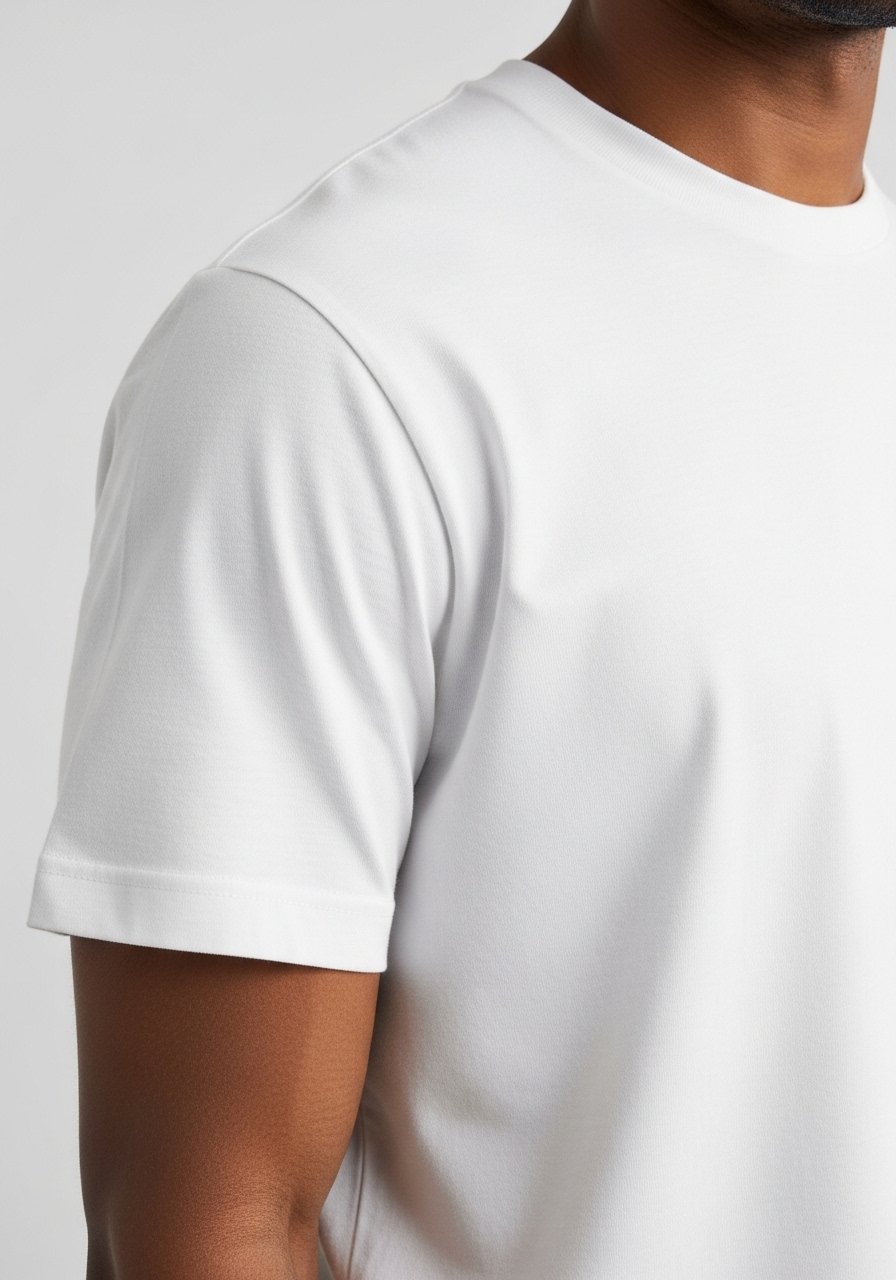
    I always begin with a T-shirt that fits my shoulders and body. I want the shoulder seam at the edge, sleeves that hit mid-bicep, and a hem that doesn't puddle.
    What visually changes is the torso line. A proper tee makes layers sit neatly and stops bulk.
    Most people miss how much length changes proportion. Small mistake: wearing an oversized tee that hides your waist and makes everything look shapeless.

    Step 2: Pick Pants That Balance Your Top
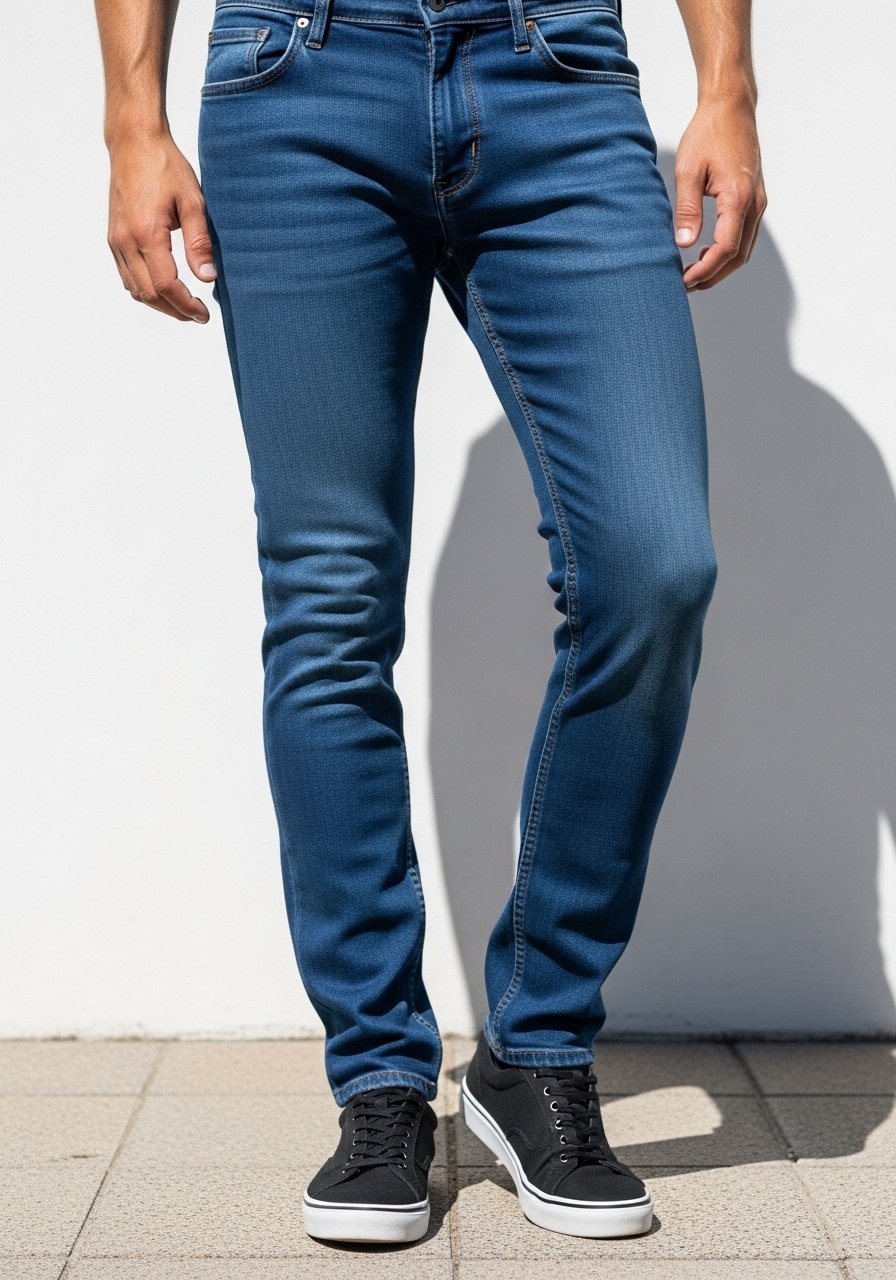
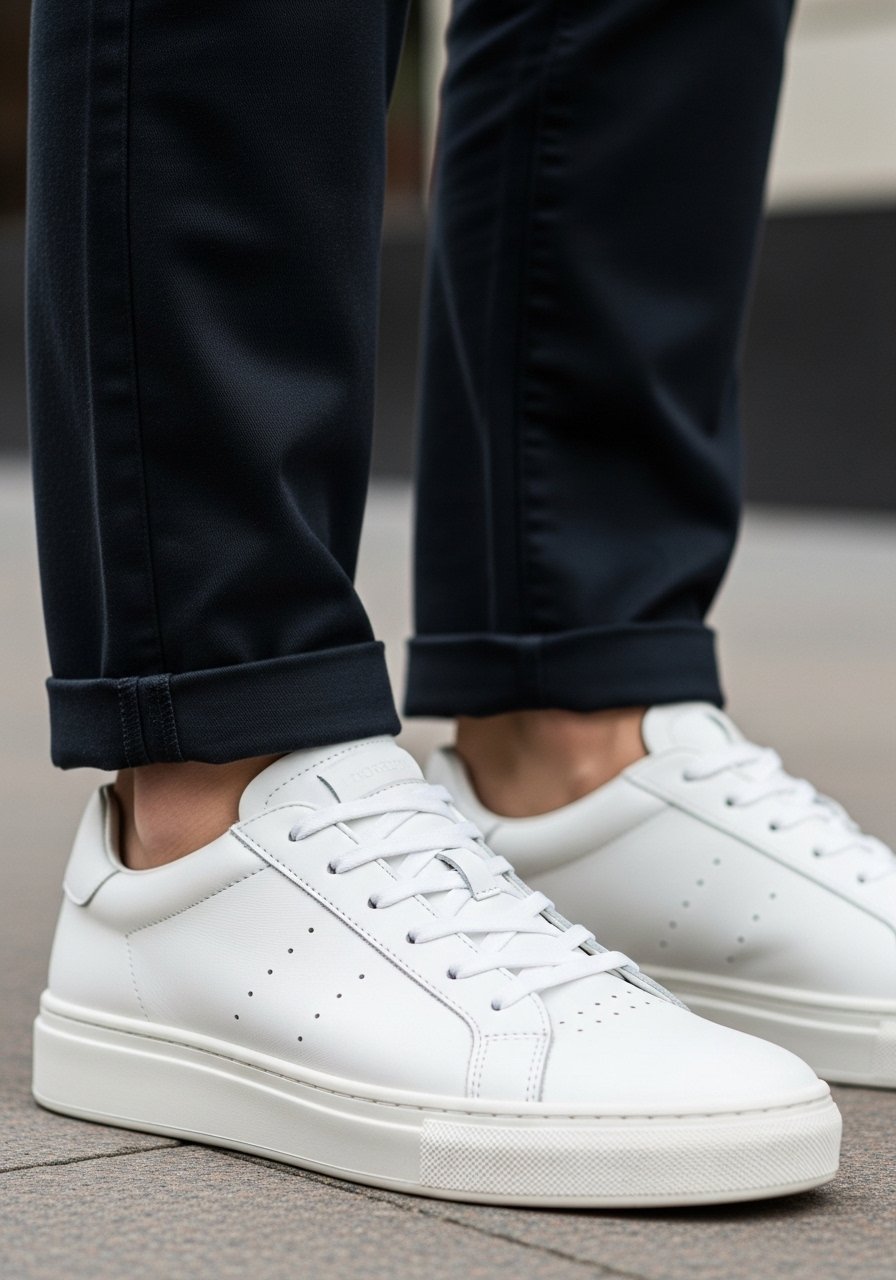
    I choose slim-straight jeans or tailored chinos that fit my waist without pulling. The leg should skim the thigh and taper lightly toward the ankle.
    The visual effect is a cleaner silhouette from hip to shoe. It keeps the outfit modern and proportioned.
    People often think "looser equals casual," but too much fabric ruins balance. Small mistake: letting the hem stack heavily—aim for a slight break or no break, not a pile of fabric.

    Step 3: Add a Lightweight Mid-Layer for Depth
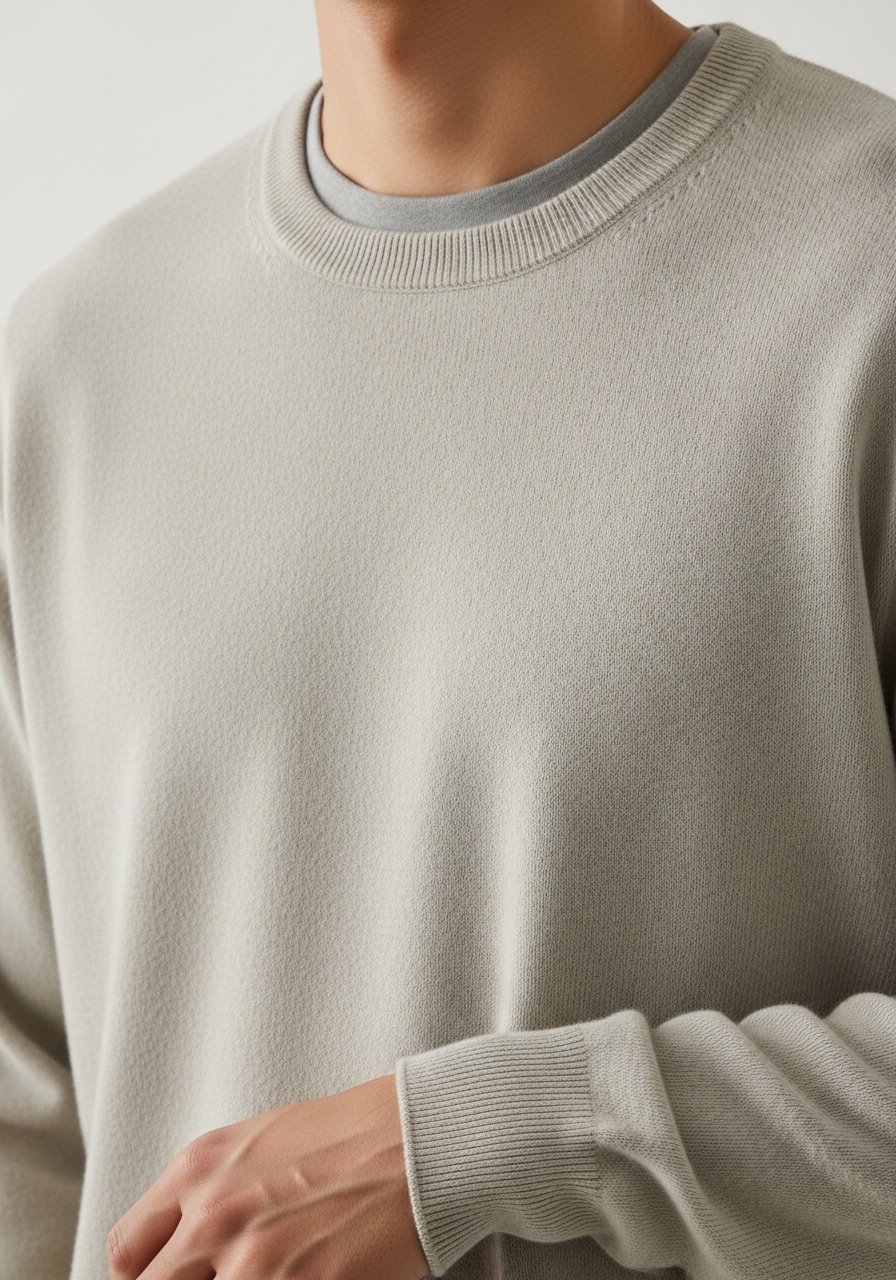
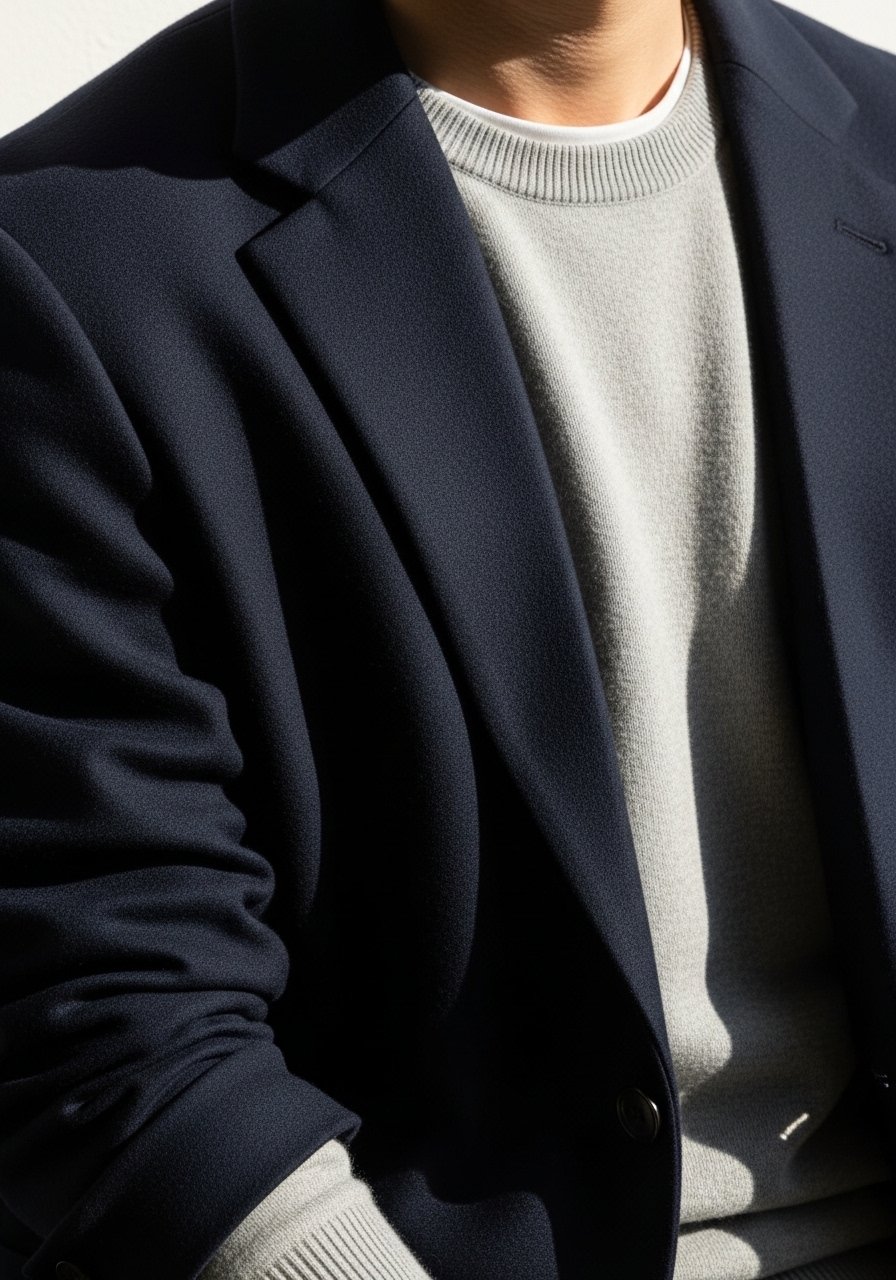
    I add a lightweight crewneck or thin sweater when I want subtle depth. It should sit smoothly over the tee without bulk at the shoulders.
    Visually you get a layered chest plane that reads intentional. It also softens the transition to an outer layer.
    A missed insight: weight matters more than color—thin, structured knits layer best. Small mistake: choosing a heavy, chunky knit that bulks the midsection and makes jackets look tight.

    Step 4: Use an Unstructured Jacket to Shape the Look
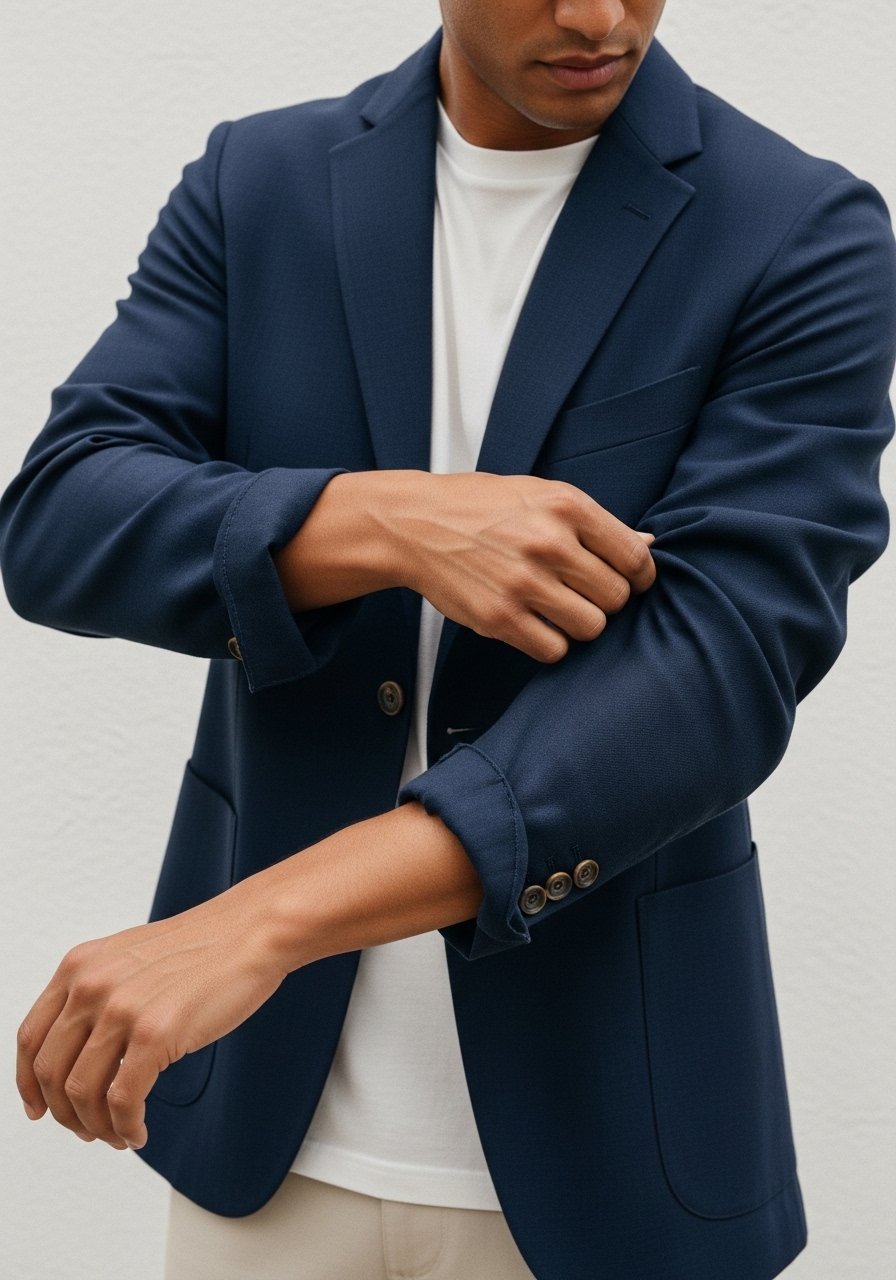
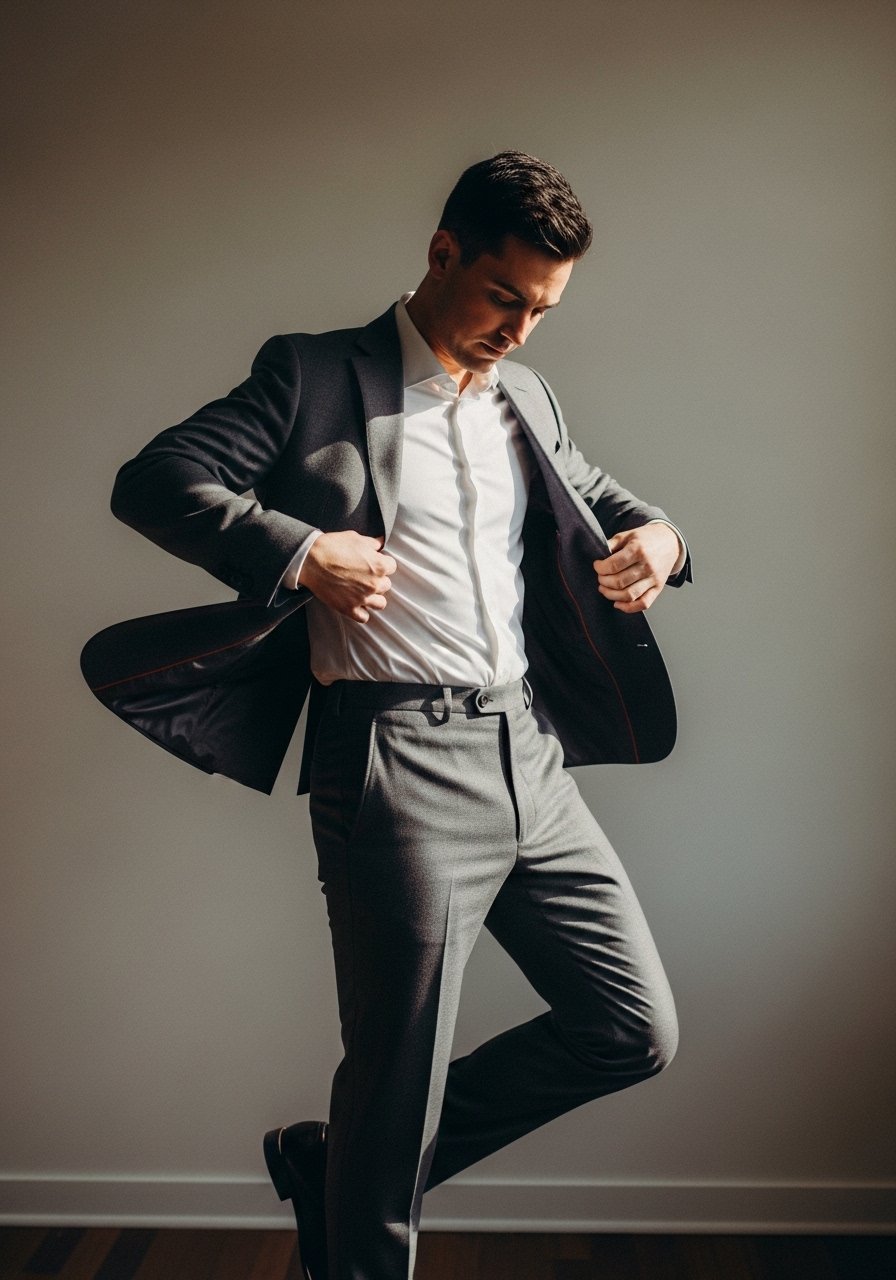
    I finish with an unstructured blazer or light jacket that follows my shoulder line. It gives subtle shape without looking formal.
    What changes visually is posture and silhouette—your torso reads refined, even when the pieces are casual.
    People miss the shoulder fit—if it pulls or droops the jacket fails. Small mistake: choosing a boxy blazer; unstructured and slightly shorter is cleaner.

    Step 5: Finish With Clean Shoes and Minimal Details
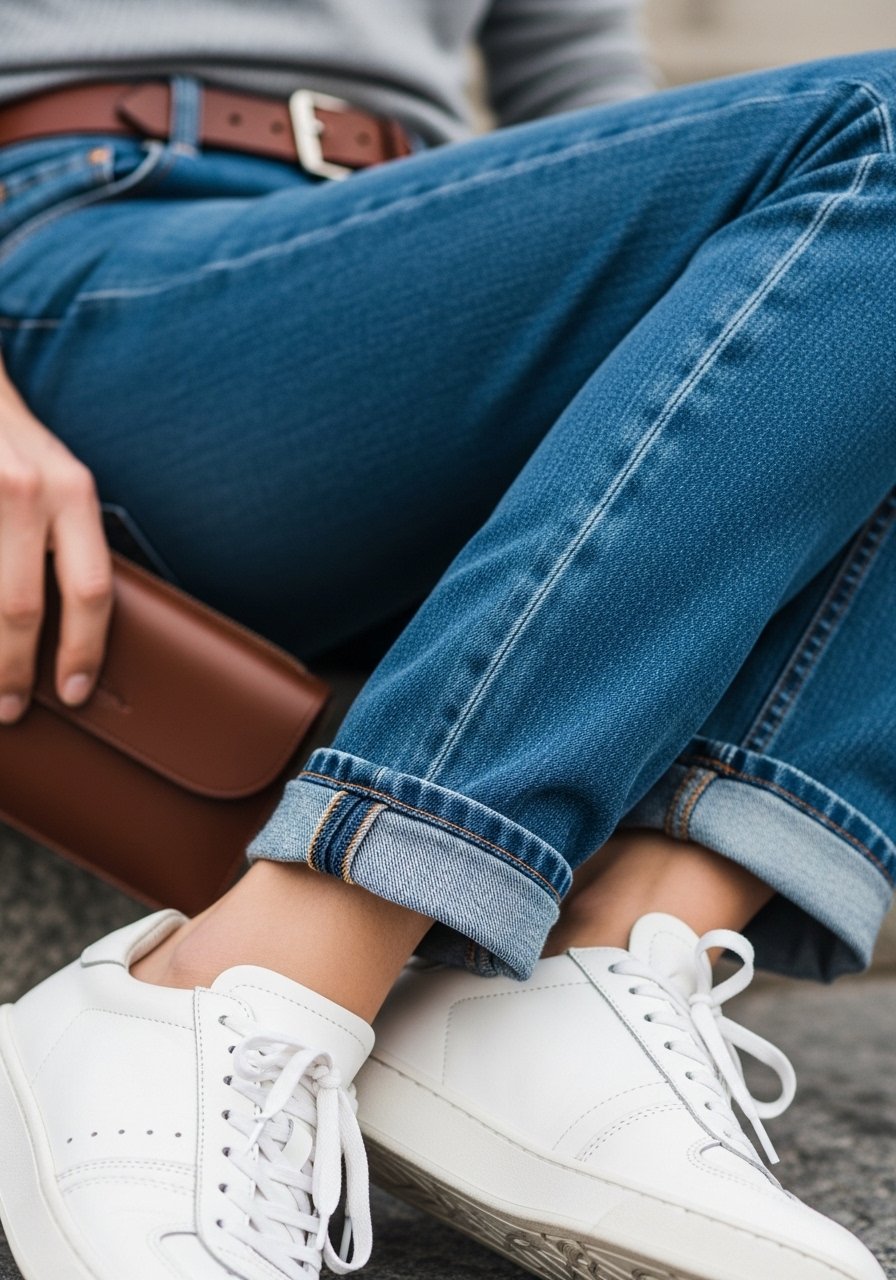
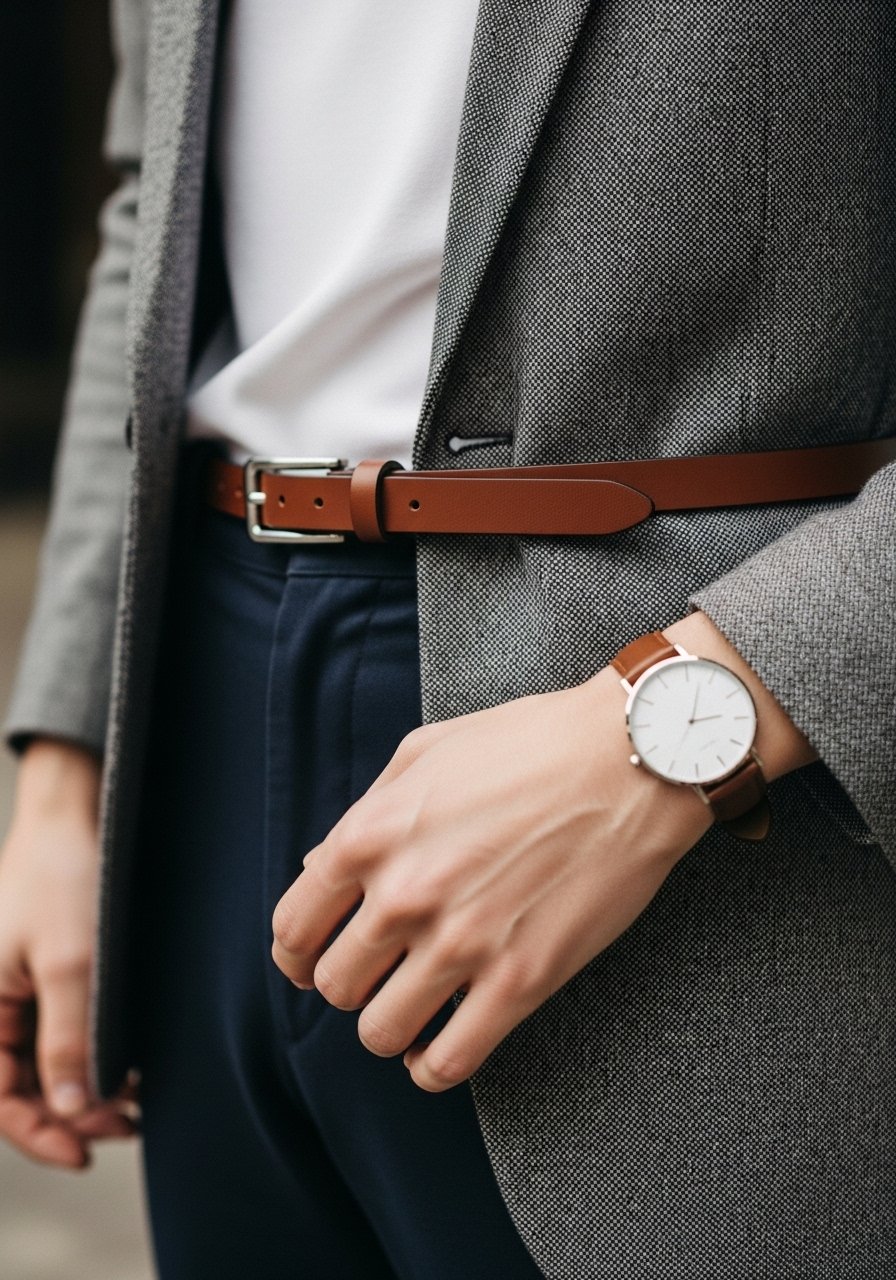
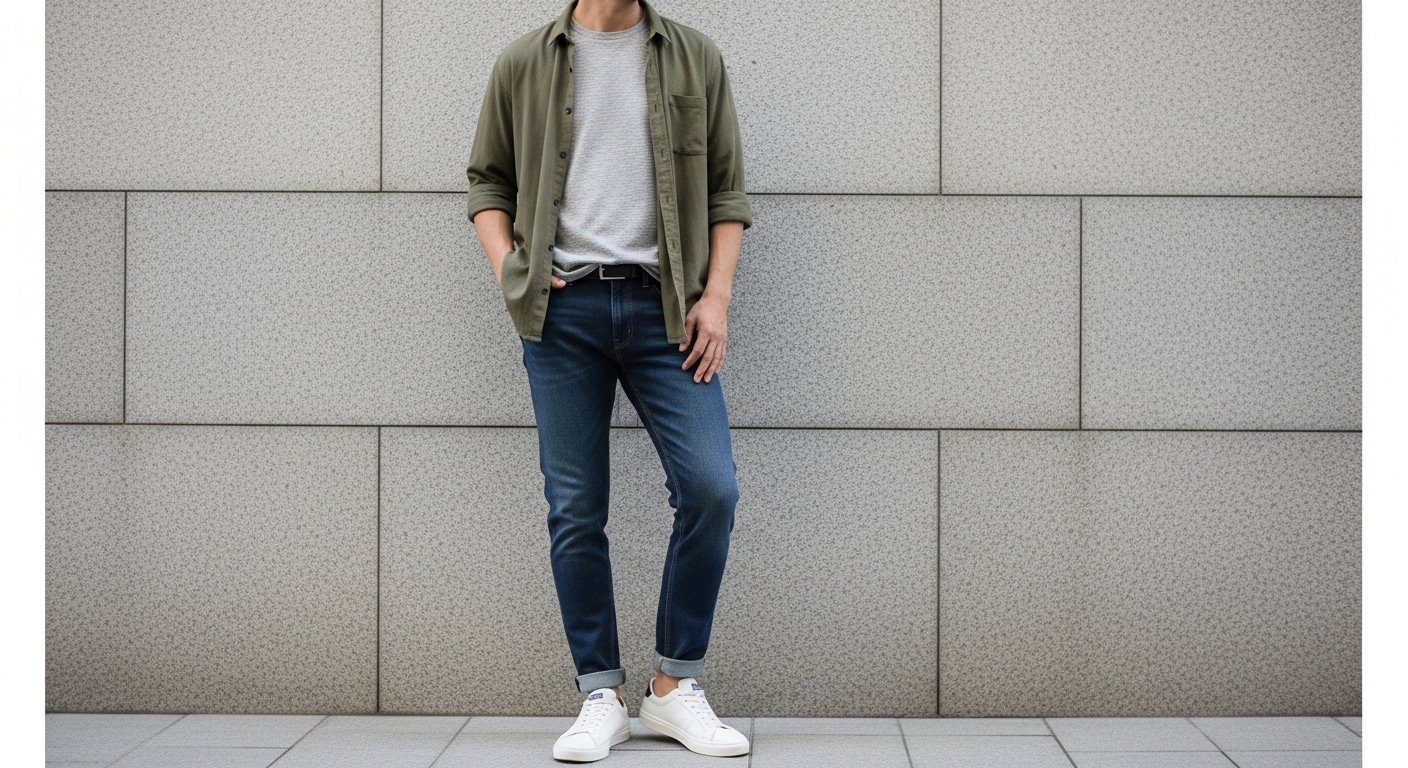
    I anchor the outfit with clean white sneakers and a leather belt that matches the shoe tone. Keep accessories simple—a watch and maybe a subtle chain.
    This ties proportions down to the ground and keeps the look grounded. Small details make the difference between casual and sloppy.
    A common miss: mismatched metal or a worn-out sole. Small mistake: over-accessorizing. One simple watch and a tidy belt do the job.

    What This Solves

    You’ll stop feeling like parts of your outfit are competing. This approach fixes proportion, bulk, and sloppy lines.
    It makes casual pieces look purposeful. You won’t feel underdressed or like you’re trying too hard.
    It’s about less tweaking and more confident getting-dressed.

    Quick Fit Checks

    • Shoulder seam sits at your shoulder edge.
    • Tee hem ends near the top of your hips.
    • Pants skim the thigh and taper toward the ankle.
    • Jacket shoulders don’t pull; sleeves show a bit of cuff when you move.

    Small Details That Make It Feel Modern

    I pay attention to hem lengths and fabric weights. Small contrasts—soft knit vs structured denim—read thoughtful.
    Keep colors neutral and add one point of contrast, like a navy blazer or dark denim.
    Tidy shoes and a clean belt finish the look. Little things add up more than flashy pieces.

    Final Thoughts

    Start small. Swap one shirt or check one hem length.
    I still test outfits in daylight and move around a bit. If it feels easy, you’re close.
    This method makes casual dressing less guesswork and more something you do fast, confidently, and comfortably.
  • How to Dress Smart Casual For Men Without Looking Overdressed

    How to Dress Smart Casual For Men Without Looking Overdressed

    I used to overthink smart casual and end up either underdressed or like I’d stepped into a meeting. I’d layer too much or pick shoes that didn’t match the top half. I learned to stop changing the whole outfit and tweak one thing at a time. These notes come from getting dressed, trying it, and fixing what felt off.

    How to Dress Smart Casual For Men Without Looking Overdressed

    This is the method I use every time an outfit feels unfinished. I focus on fit, a restrained palette, and one clear formality choice. The result: a clean, intentional look that reads relaxed but put-together—never staged.

    What This Solves

    I clear the “is this too much?” feeling. I pick one focal level between casual and formal and stick to it. That avoids the mess of blending sneakers with overly structured tailoring.

    I also solve the “something’s off” moments by checking proportion and movement. Small fixes—sleeve length, pant break, shoe choice—make the outfit read smart casual instead of overdressed.

    What You’ll Need

    Step 1: Start with a calm, fitted foundation

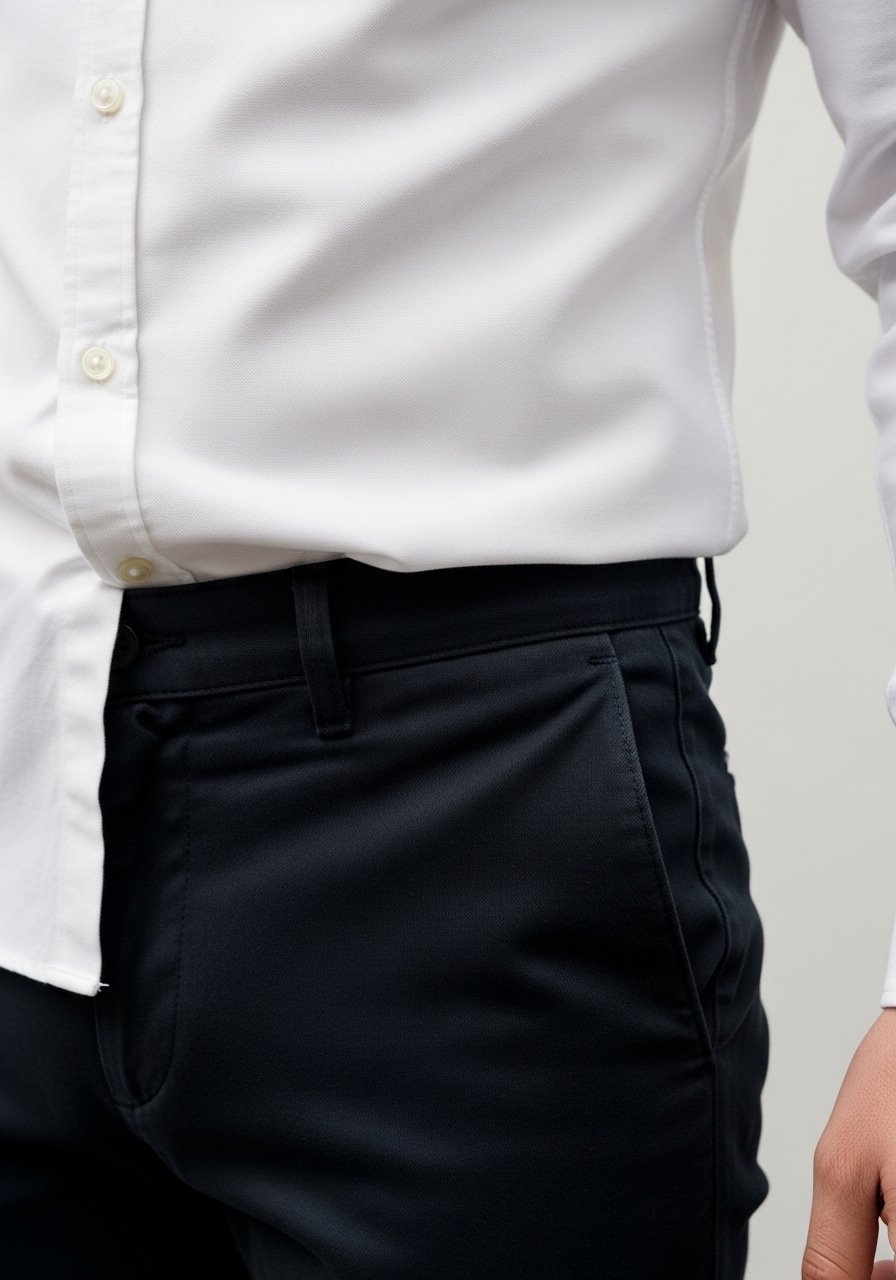
    I begin with the shirt and pants because they set the silhouette. I want the shirt to skim the torso and the chinos to follow the line of my leg without clinging. Visually, this narrows the torso and lengthens the leg—my baseline for smart casual.

    One insight I missed for years: a tiny pant break reads cleaner than no break or an overlong hem. A small mistake to avoid is tucking into pants that sit too low on the waist—everything looks sloppy.

    Step 2: Choose one soft layer, not two competing ones

    I pick either the merino crew or the unstructured blazer—not both at full structure. The sweater keeps things relaxed; the blazer adds polish while keeping shoulders soft. What changes visually is the outfit’s formality: sweater = casual-leaning, blazer = smart-leaning.

    People often miss shoulder softness on blazers; too sharp a shoulder makes it suit-like. The slip-up I make is buttoning an unstructured blazer all the way—I usually leave it open for a relaxed line.

    Step 3: Match shoe formality to the chosen top

    If I’m in a sweater or open blazer, I’ll reach for clean white sneakers. If I want a smarter read, I put on brown derby shoes. The shoes shift the whole outfit’s tone instantly; they anchor how others will read the look.

    One insight I use: sneakers pair best with a slightly cropped hem or tiny cuff. The small mistake I avoid is wearing overly athletic trainers—the sole or logo pulls the outfit into casual territory.

    Step 4: Keep accessories purposeful and muted

    I match belt leather to shoe leather and add a simple watch. I rarely add a pocket square; if I do, it’s a soft linen one in a muted tone. This keeps the look intentional without being decorative.

    People underestimate scale: big buckles or oversized watches break the calm. My usual mistake was stacking bracelets; now I stick to one small piece.

    Step 5: Move, check, and tweak one detail

    I put the outfit on, button and unbutton, sit and stand, lift my arms. I watch for pulling at buttons and fabric that bunches. This shows where the proportions are off and what needs a tweak.

    An insight I use: motion reveals fit more clearly than mirror checks. The small mistake I correct most is over-layering—I remove the least necessary layer before leaving.

    Common Fit Mistakes

    I see the same errors: shoulders too wide, sleeves too long, and pants with too much break. These make even good pieces look sloppy. I check each point quickly in the mirror and during movement.

    Quick checklist I use:

    • Shoulders sit on my shoulder bone, not past it.
    • Sleeve length shows a sliver of shirt cuff when I bend.
    • Pant hem grazes the top of the shoe with a slight break.

    Quick Outfit Templates

    I keep three simple combos ready so I stop over-styling. They fit my day and mood and make decisions fast.

    My go-tos:

    • White Oxford + dark chinos + white sneakers + merino crew (casual-clean).
    • Oxford + unstructured navy blazer + dark chinos + brown derbies (smart-casual).
    • Tee + blazer + chinos + white sneakers (relaxed but intentional).

    Final Thoughts

    I start small and edit once. One clear rule—pick the outfit’s formality and don’t mix extremes—keeps things wearable. I trust the fit first, then the color and details.

    Get into the habit of the motion check. It’s where I find the tiny fixes that stop an outfit from feeling off.